Impact Day inspires once again
#making impact
It has been a few weeks since Impact Day, so it is about time for a recap. This event is always well worth attending and highlights all topics relevant to a sustainable world. The beautiful old capital Tallinn is also a feast for the eyes. Although Estonia has only about 1.3 million inhabitants, Impact Day always has an international allure — not least because of the program with speakers from all over the world. Estonia is also known as one of the most digitally advanced countries, partly because it launched e-Residency in 2014. This allows you to run your business entirely online from anywhere and use all the services you need in Estonia.
Tallinn wants to be a leader in sustainability
It is also progressive in the field of circularity and other sustainability issues and wants to be a leader in this area. In 2023, Tallinn was still European Green Capital. But back to Impact Day, which actually consists of two days. How do you travel to such an event? From my base in Espoo – near Helsinki – in Finland, it’s extremely easy: you just take the boat and within two hours you’re sailing into the port of Tallinn. Although some ships are already equipped with more environmentally friendly technologies, the ecological balance of cruises remains significantly negative. Many shipping companies are working on electrifying their ships step by step, and there are also significant developments in the use of renewable fuels such as biodiesel, biogas, and hydrogen.
Sustainable ships in development
Eckerö Line’s m/s Finlandia, which sails between Helsinki and Tallinn, will be equipped with a battery solution to reduce CO2 emissions in early 2026, making it the first hybrid ship in the Gulf of Finland, although the intended fuel savings are only 3%. Nevertheless, this amounts to approximately 500-600 tons less fuel per year.
Program for the first day
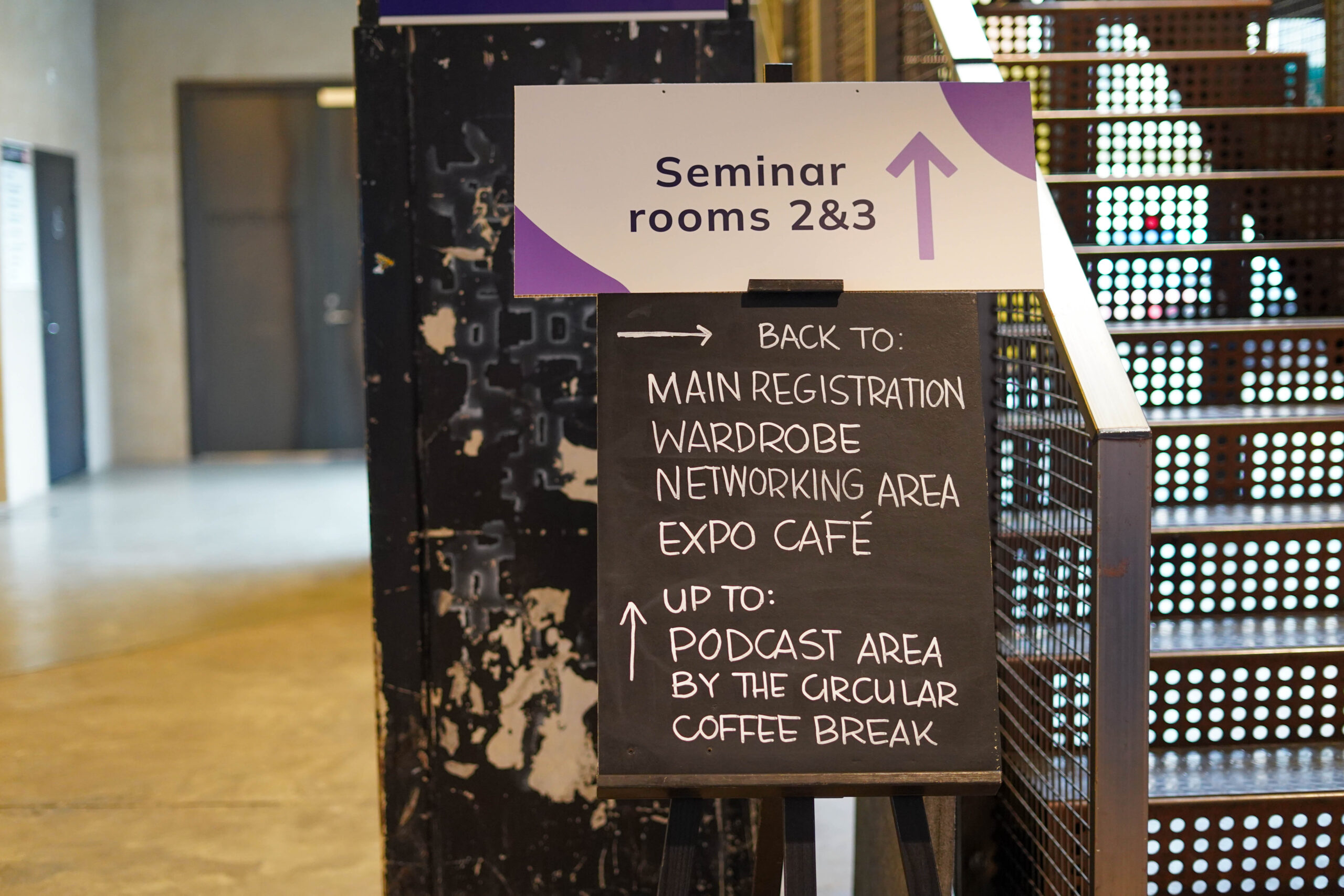
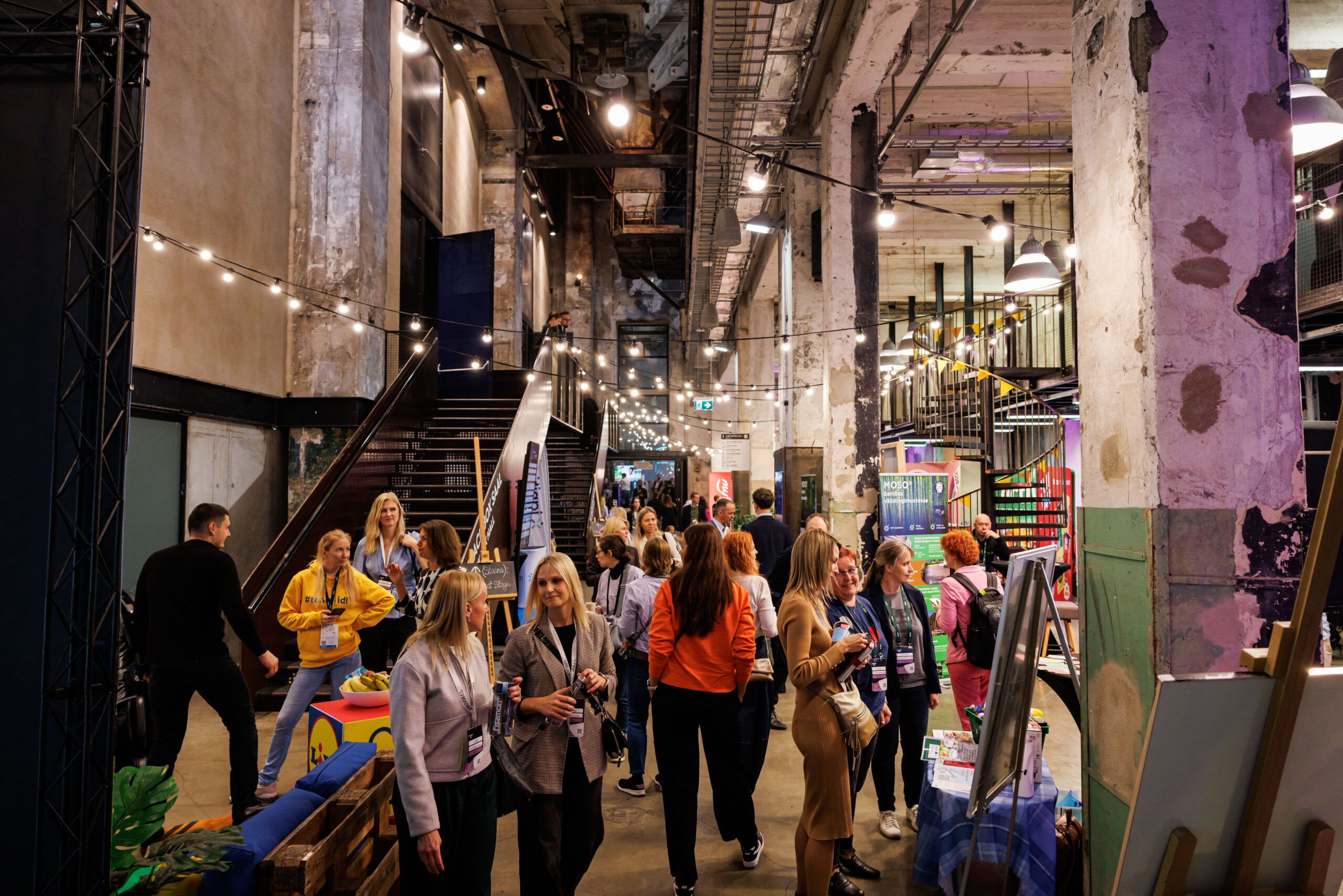
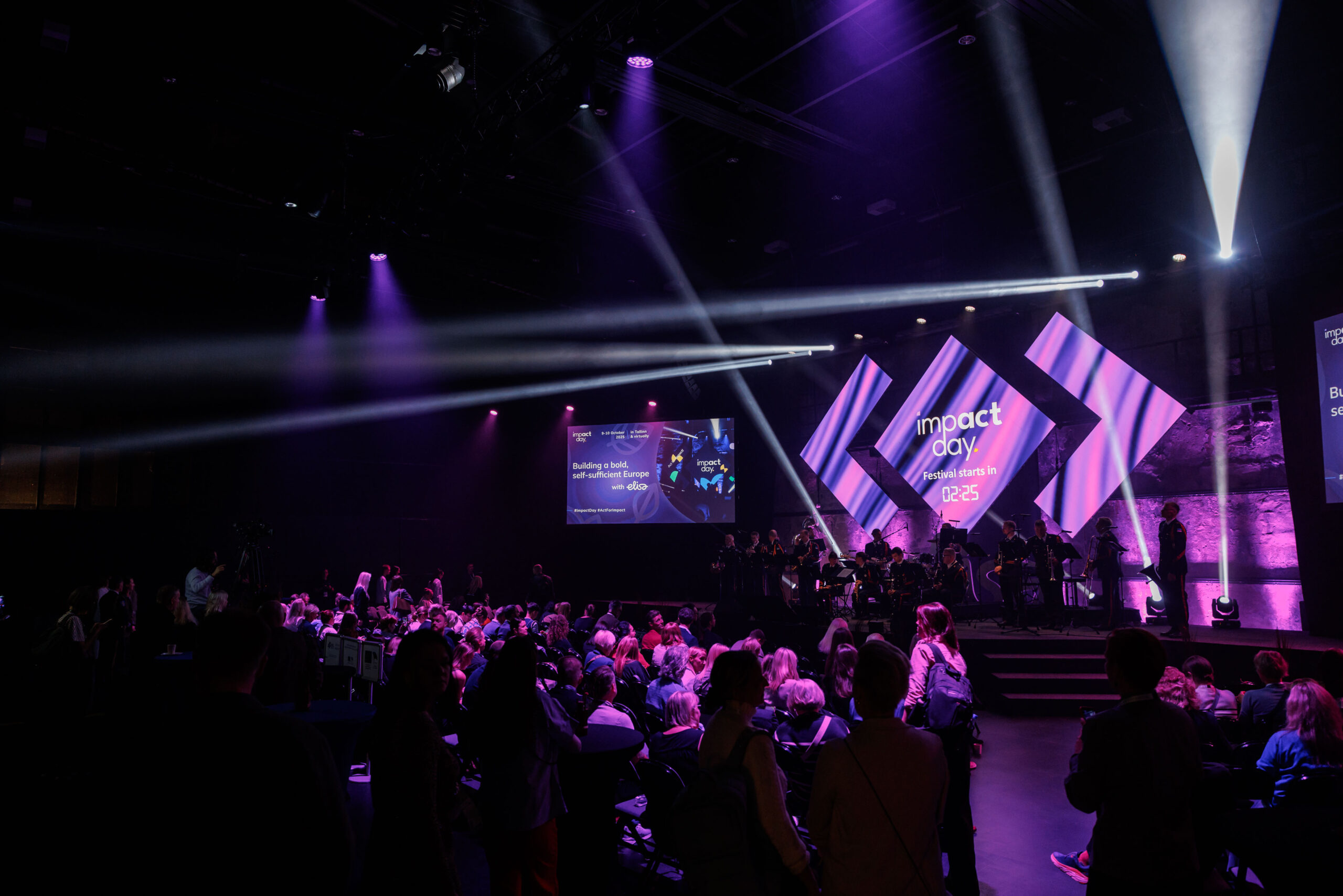
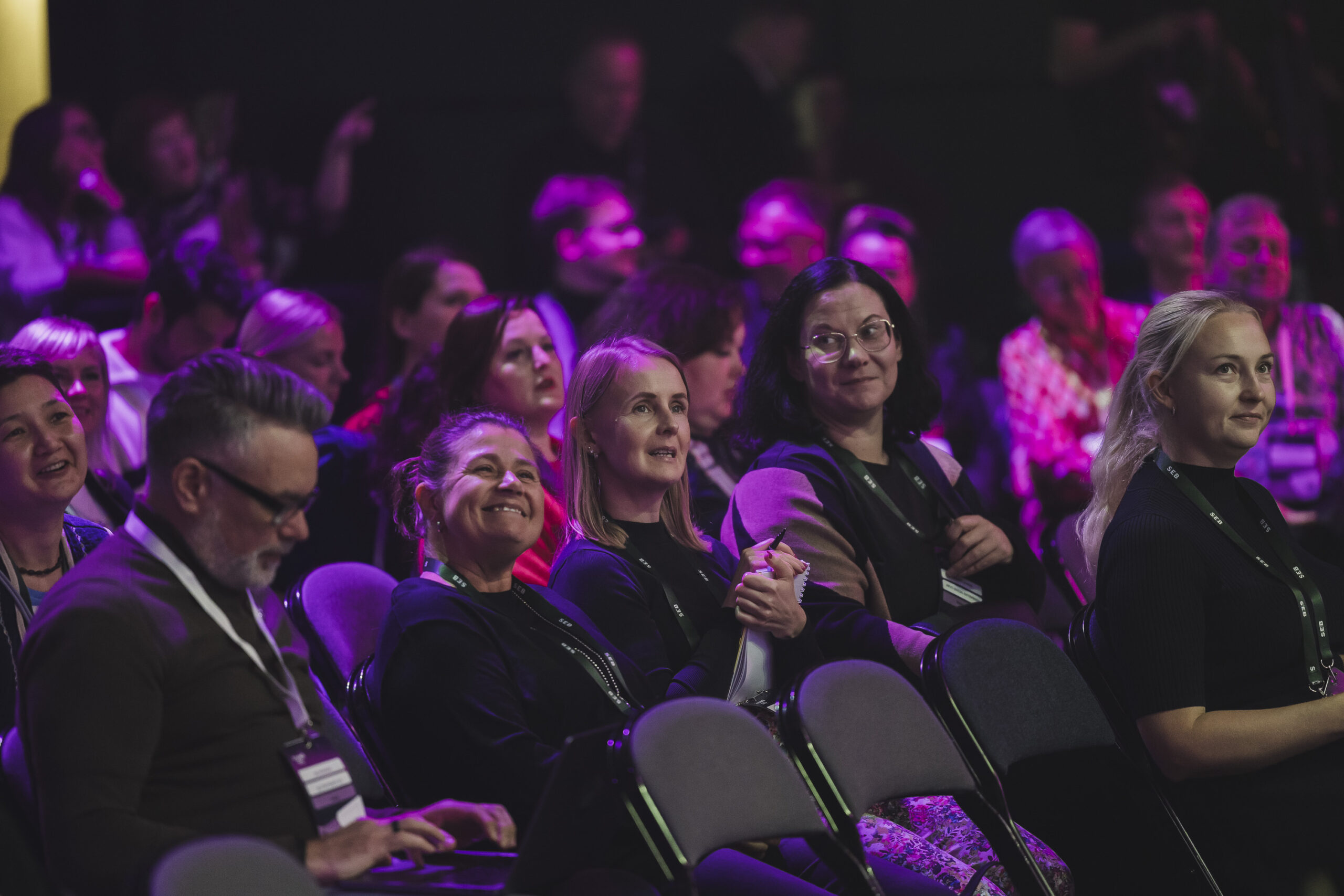
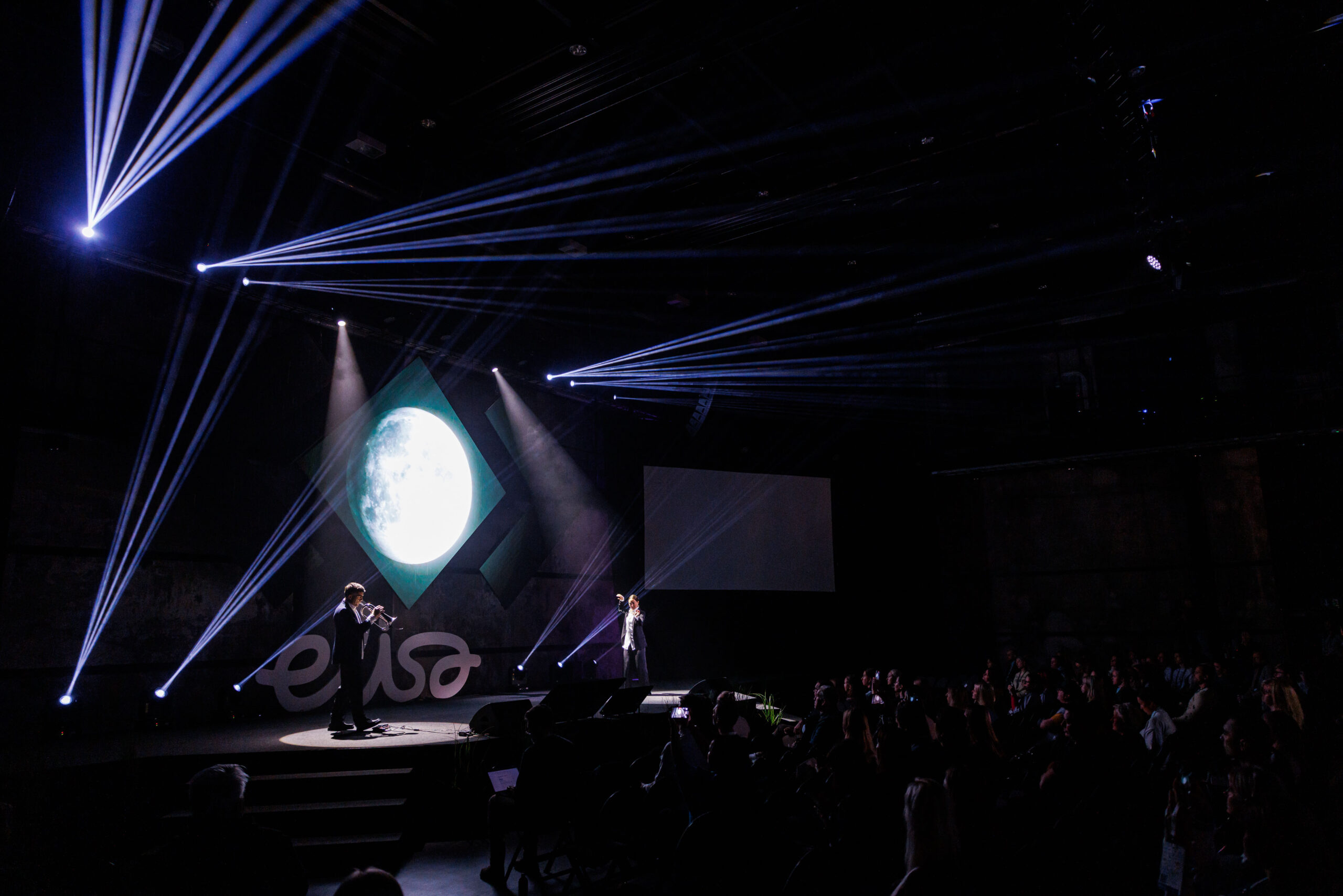
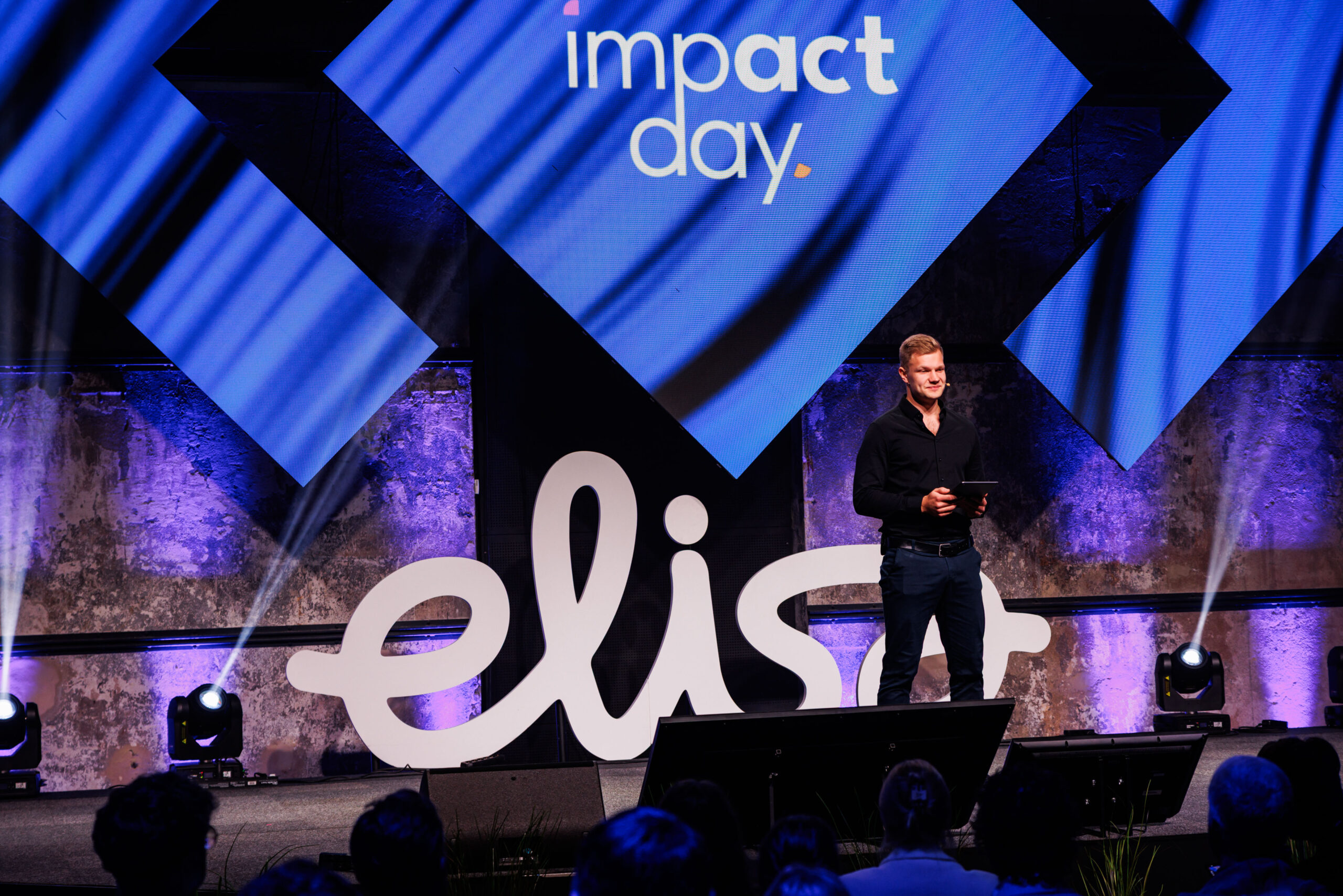
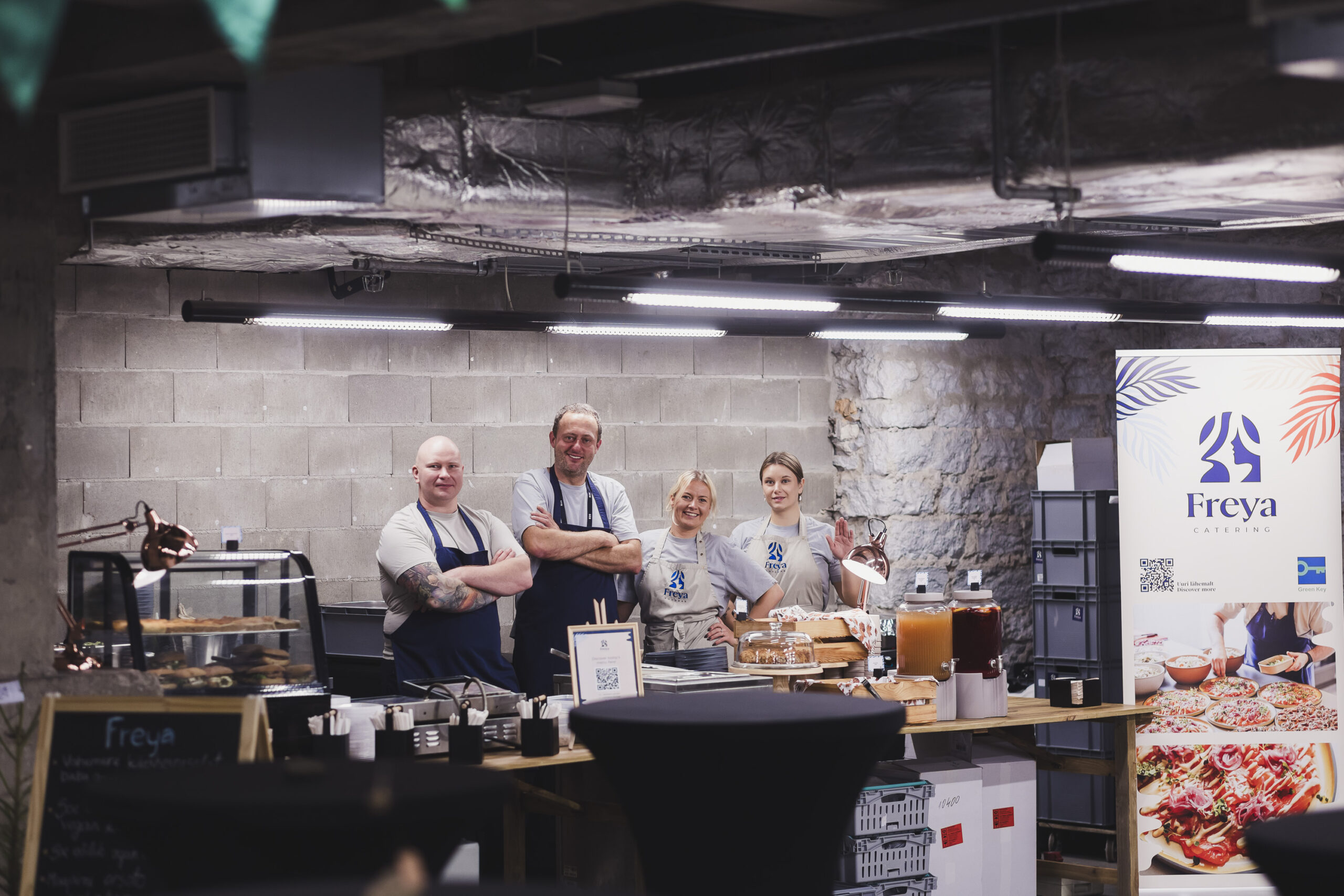
The first day of Impact Day at Kultuurikatel, within walking distance of the port, kicked off with David Armstrong after a beautiful musical intro. He is a motivational speaker from the US and explained that your ‘Why’ must be greater than your ‘Why not’. Why do you get out of bed every day to do what you do? After a life full of struggles, he was able to put his finger on the sore spot like no other. Then it was the turn of Clover Hogan, a well-known Australian climate activist who was physically present last year, but now gave her opinion on the current state of sustainability issues via an online screen. How do you ensure that well-being, prosperity, and the environment go hand in hand? Which was basically the theme of the entire event: Building an Ambitious and Self-Sufficient Europe. One of the main organizers, Samuel Põldaru, smoothly tied everything together. And, just like last year, food and drinks were well taken care of.
Versatile topics
The rest of the day, various other interesting topics were discussed on the three stages — Impact Stage, Sustainability Stage, and Inspiration Stage — including reducing textile waste, the power of circularity, designing green cities, and reducing food waste. Although his advanced age (80) sometimes made him difficult to understand, the well-known Estonian zoologist and ethologist Aleksei Turovski stood out for me. His story, entitled ‘Animals Don’t Work for the Market. Are They Doomed?‘ was about the successful sustainable development of animal populations, which is inevitably linked to Shelford’s law: animals use resources and services in ecosystems on an optimal basis, not on a maximum basis.
This results in ecosystems that create a surplus — that is, more resources than the systems themselves need to thrive. This surplus is, for example, the thick layer of humus in the soil, the abundant oxygen in the air, and the peat in the swamp. It is what we humans have mistakenly come to take for granted and use at our own discretion. In reality, it is the only guarantee for the survival of biodiversity on earth. In light of current climate change, with countless animal species and entire coral reefs threatened with extinction, this is one of the most sensitive issues.
The day was concluded by Seth Godin, multiple bestselling author and marketing guru. He emphasized the importance of collaboration, local initiatives, and, last but not least, consistency. When you do things you truly believe in, something beautiful can emerge.
Program for day two
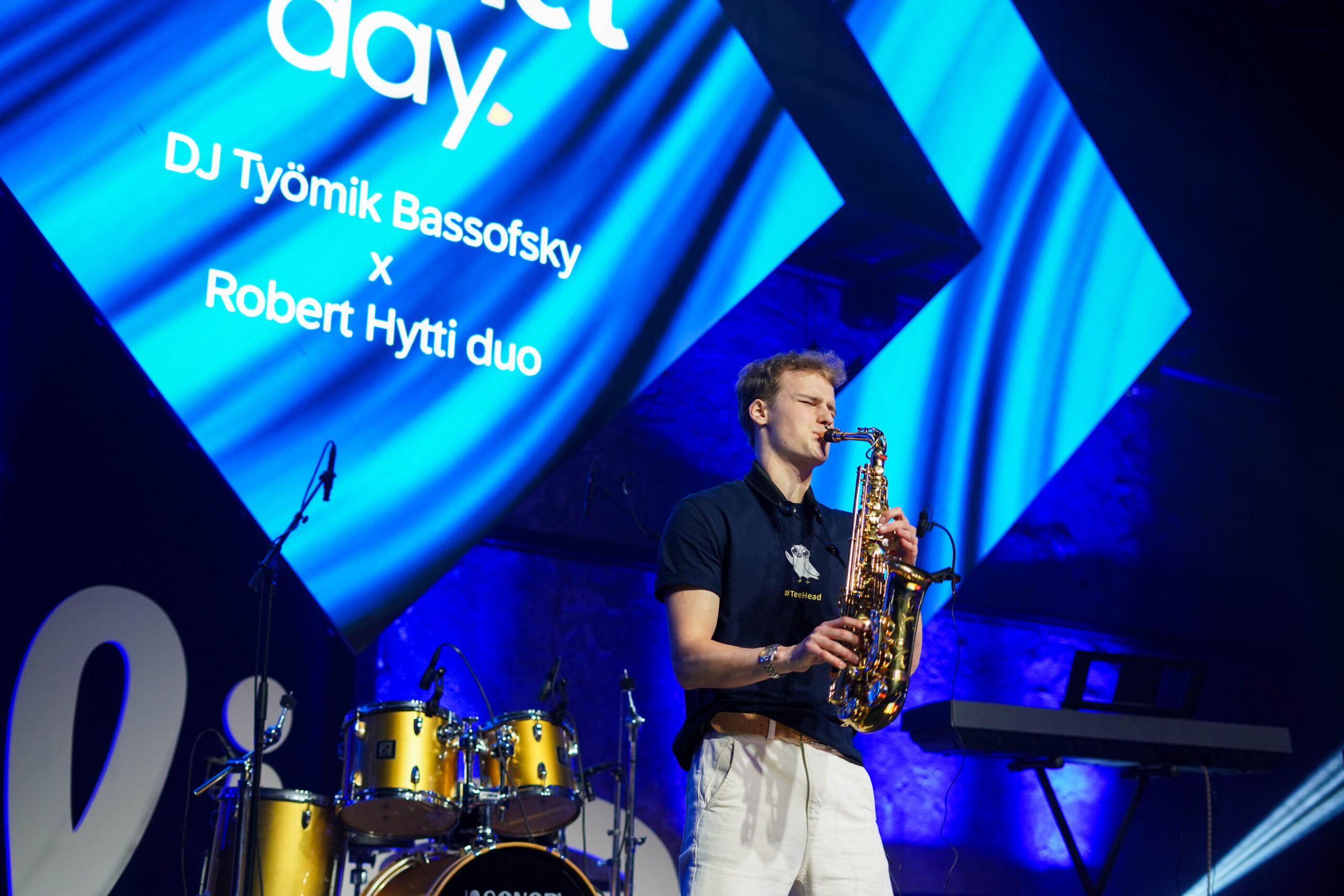
The second day began, once again, with beautiful musical accompaniment and a keynote speech by Gunter Pauli, a pioneer who is also known as the “Steve Jobs of sustainability”. He founded Zero Emissions Research and Initiatives (ZERI) in 1994 and is the author of The Blue Economy. He has also published 20 books in more than 30 languages and 365 fables: inspiring stories that introduce children to science and emotional intelligence. His story focused primarily on innovations and inspiration: there are now many more advanced methods and techniques available than wind and solar energy. And they are also cheaper, such as using ocean waves. This second day was also filled with interesting sessions: topics included food systems, the true value of sustainability, raw material use, the impact of AI, and growing with integrity. The latter is also the theme for next year: the new ROI, or Return on Integrity. That is exactly what is needed right now for the shift to a truly more sustainable world.
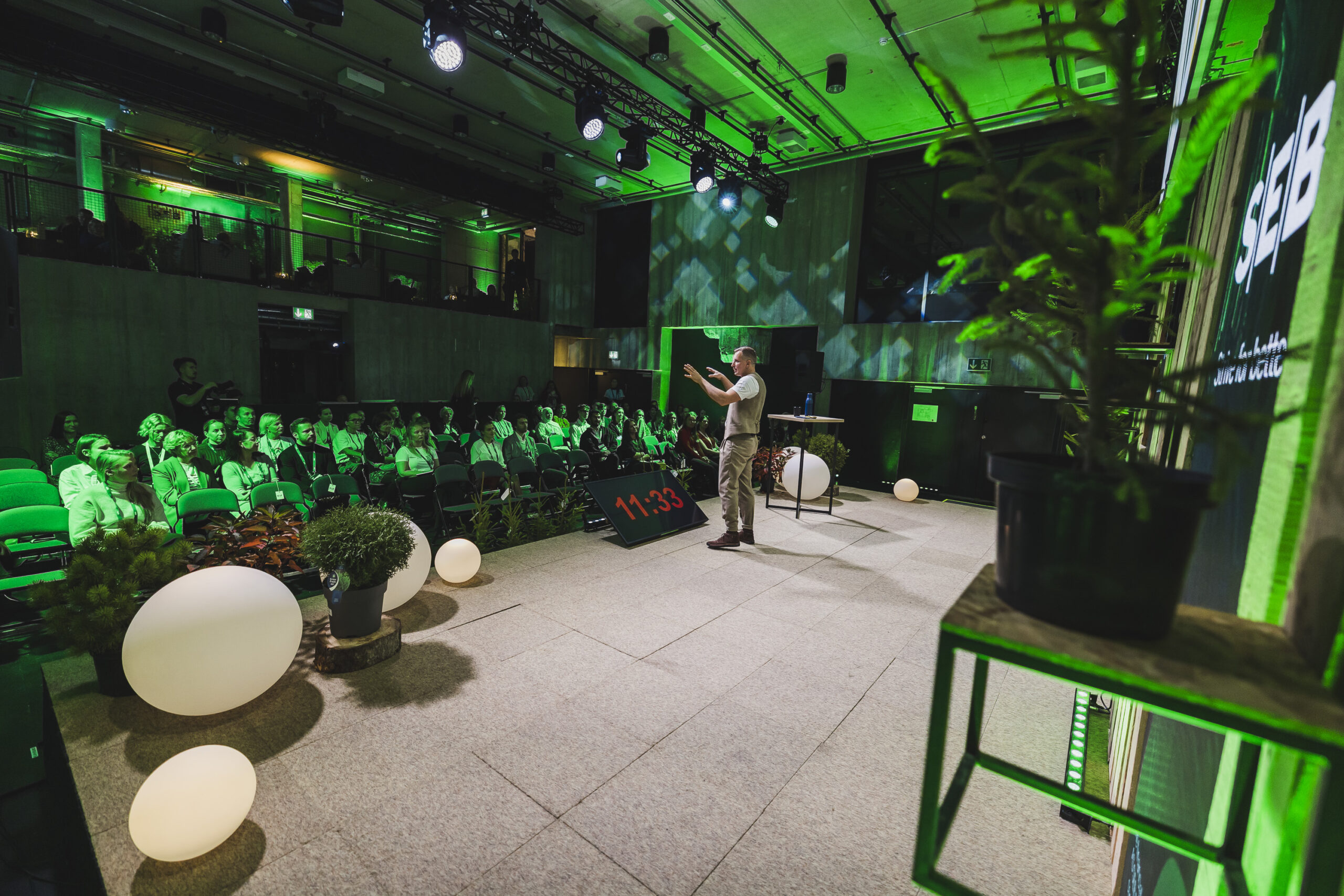

📷 The photos were taken by Laura Luga, Rasmus Kooskora, and Silver Gutmann.
ℹ️ Sustainability Content Agency is an ambassador of Impact Day and writes, edits, translates, and advises on sustainability, social impact, and health in almost all European languages. Contact us for more information or book a short call via Calendly.

How do you convey your message in a changing world?
#making impact
Talking about the climate and making a personal contribution is no longer the preserve of a small group of people. In the past, they were called tree huggers or climate fanatics.
Nowadays, if you don’t have solar panels, you’re not really participating.
If you don’t eat vegetarian or vegan meals from time to time, you’re not really health-conscious.
If you don’t drive an electric car, you’ve really missed out.
If you only buy fast fashion, you’re not thinking things through.
If you read the above statements, which may be a bit exaggerated here and there, things are actually going quite well.
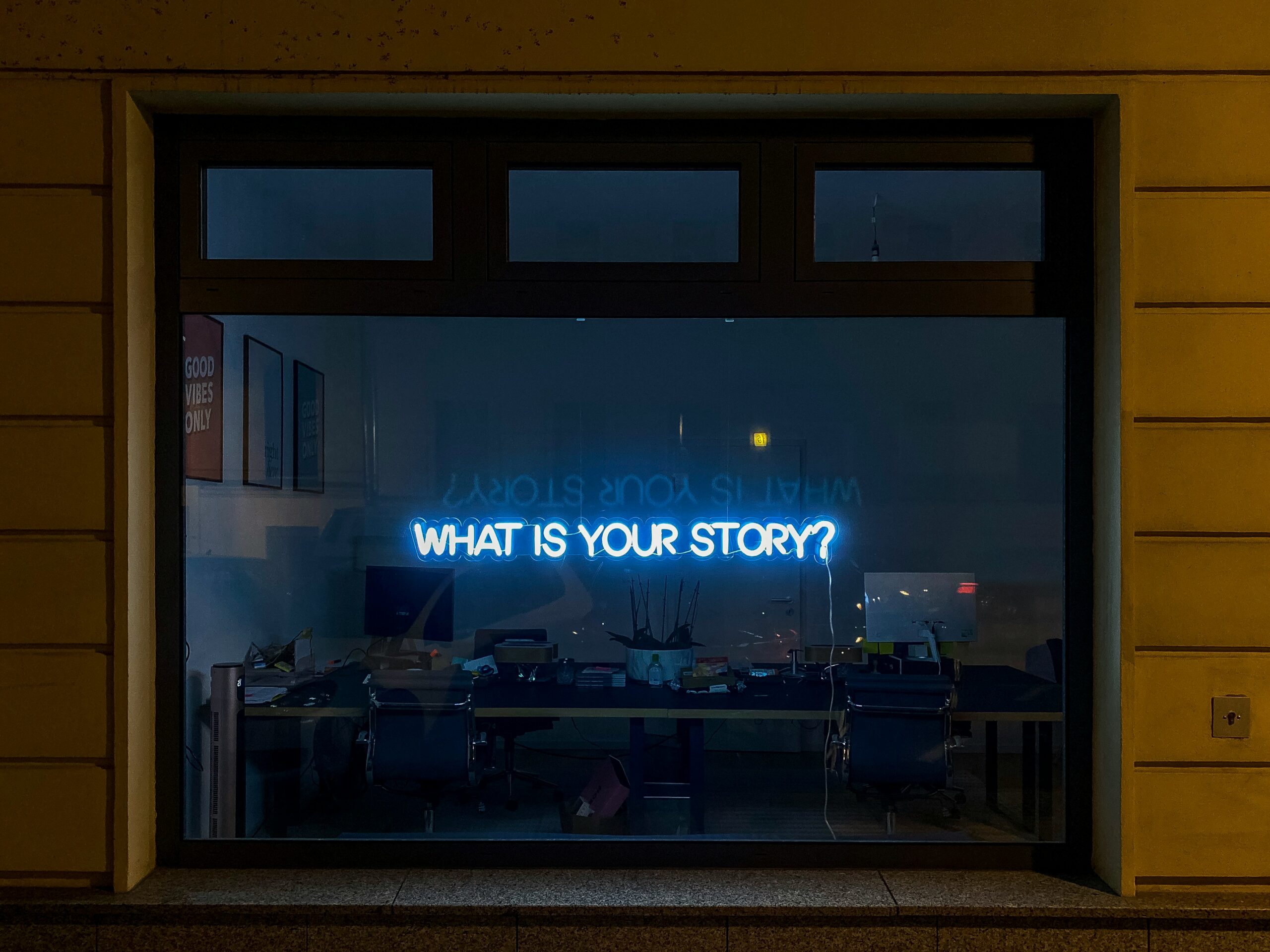
It starts with a shift in thinking. People inspiring each other. Even if it may not come entirely from within, things are moving.
The facts don’t lie. We can’t be truly positive about the climate, but approaching it with optimism is something to think about. Providing objective information is also important, without making people feel cornered. You’re dealing with ingrained habits.
Research shows that it’s actually not such a good idea to constantly show how vegan, environmentally conscious or impact-driven you are. It’s simply one of your unique selling points. You’re still mainly selling a product or service, not a climate benefit.
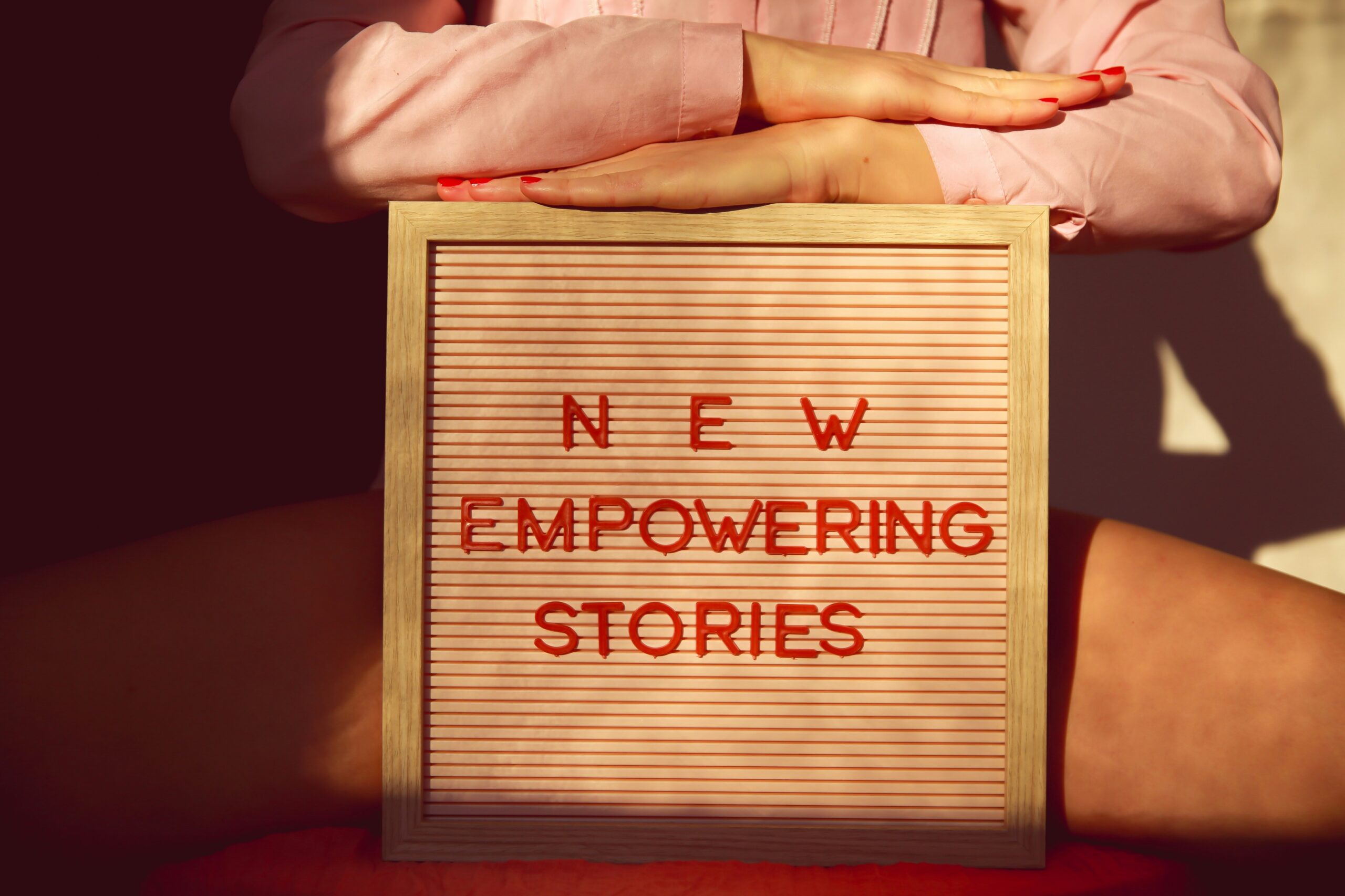
Want to communicate sustainability and social impact more effectively? At Sustainability Content Agency, we help you do just that, in almost all European languages.
Just send a message to info@sustainabilitycontentagency.com or book a quick 15-minute call via Calendly to discuss your needs.

Pictures by Andreas Kind (road in forest), Etienne Girardet (What is your story?) and Ava Sol (New empowering stories).
Impact Fair in Utrecht
#making impact
5 reasons why you should go to the Impact Fair
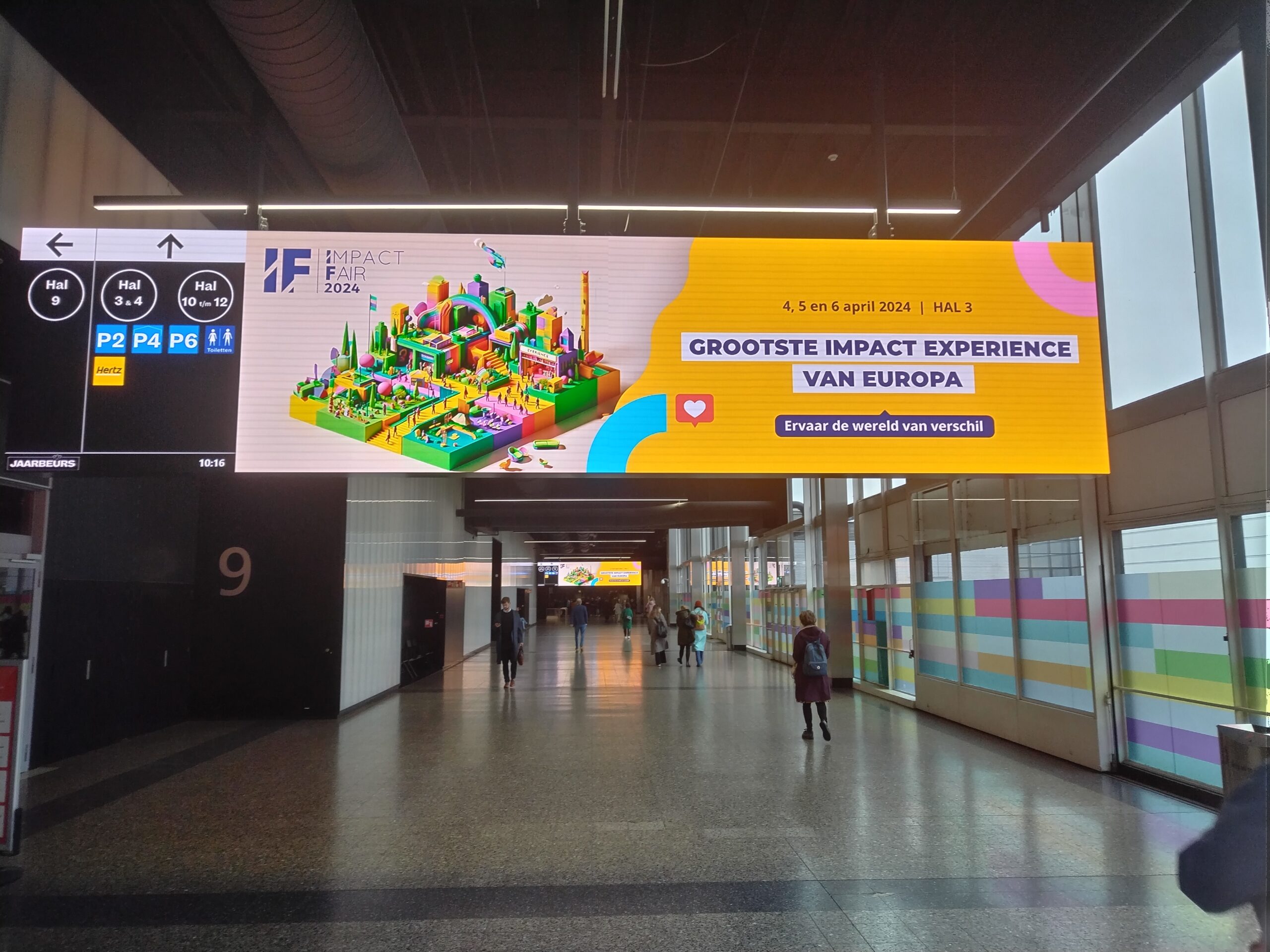
Organizer Micha van Hoorn and his team are busy with the final preparations to ensure that everything runs smoothly when the Impact Fair in Utrecht (Holland) starts. Organizing such an event is quite a roller coaster: a two-day trade fair followed by an open day on the Saturday. But it’s worth the effort! What are the top 5 reasons to come to Utrecht on April 3, 4 or 5, in his opinion?
1. Learn
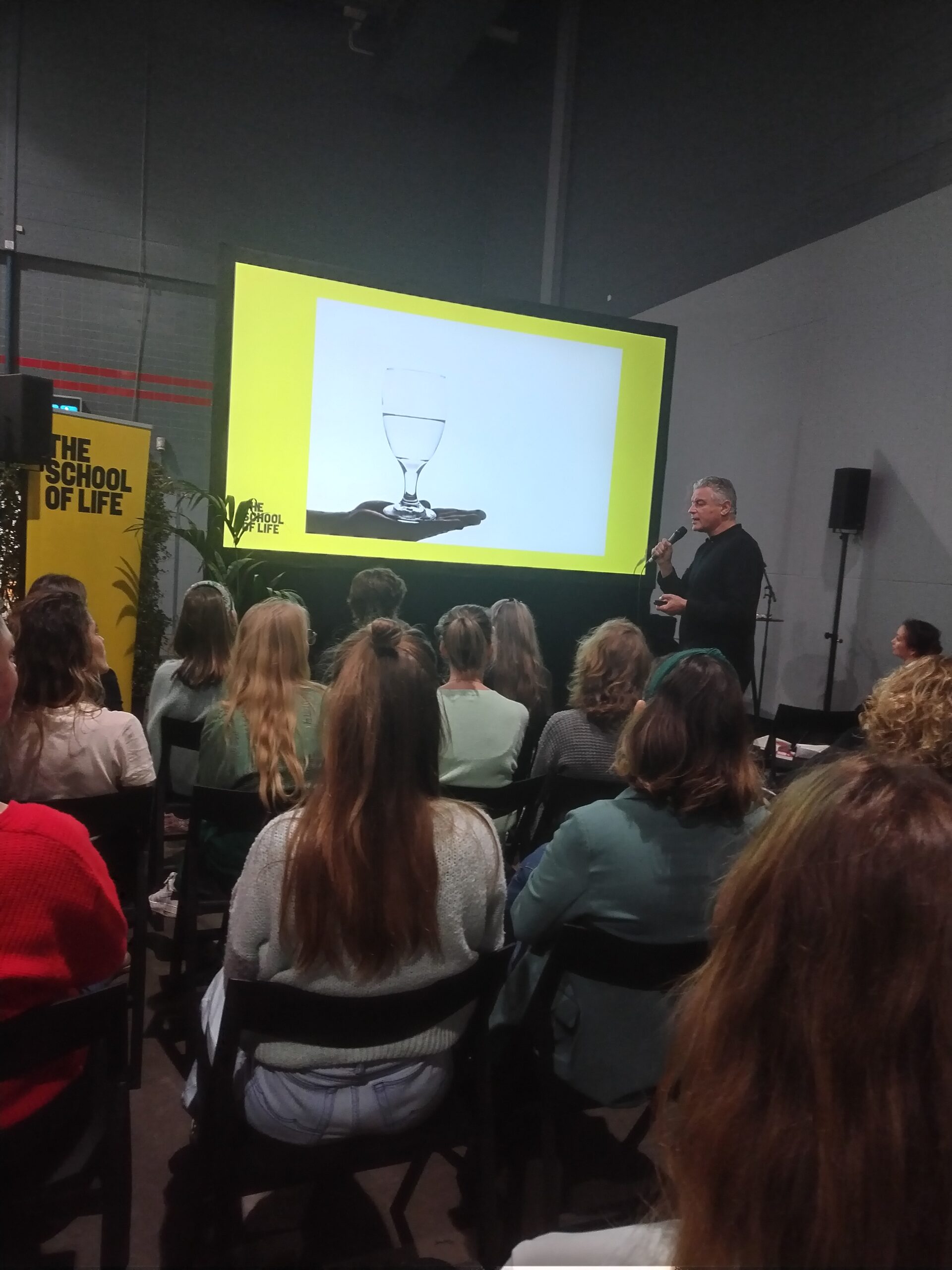
We have a great program with 140 speakers spread over 7 stages. Based on practical tips, tricks and tools, our visitors discover how they can get started today with the world of tomorrow. They do this by sharing their knowledge and inspiring others in various impact domains, in the broadest sense of the word. You can learn more about a sustainable economy, but also, for example, how to cook healthier.
2. Meet
Every impact agenda indicates that we need to accelerate. How do you do that? By working together more. But to do that properly, you first have to get to know each other. At the Impact Fair, we facilitate meaningful meetings where people can discuss how they can strengthen each other and make a greater impact together. There will be meet-ups, speed dating sessions, dating shows, guided tours and networking drinks. Everything is designed to maximize introductions and connections. We also have a great app where you can connect with each other. All parties are present: we connect leaders, young people, engaged citizens, government, social enterprises, corporates, NGOs, SMEs, educators, associations and funds. In short, representatives from all sectors of society will be there.
3. Do
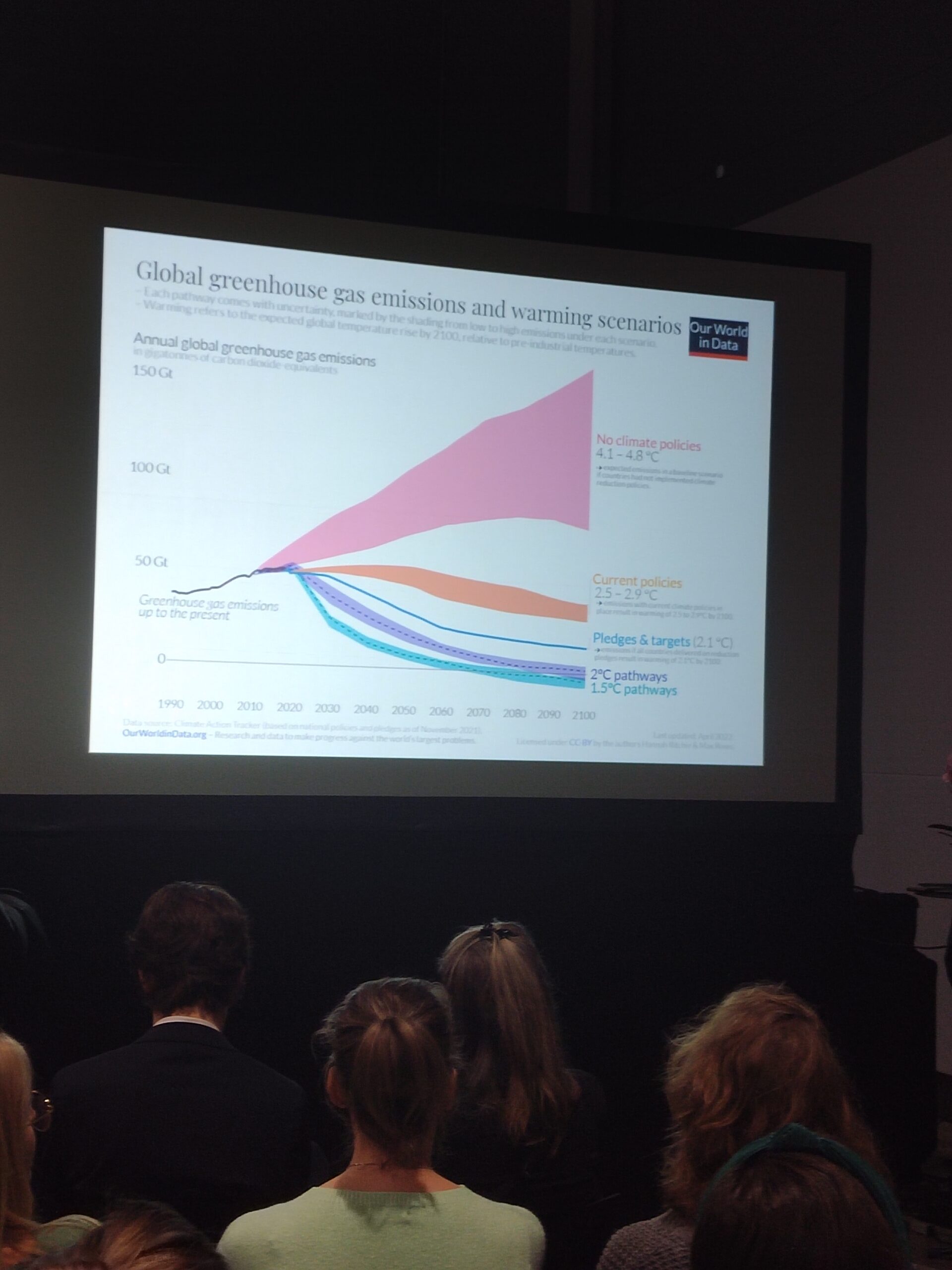
There are 108 interactive experiences that let visitors discover how they can make more of an impact. We are the only impact experience center in the world and certainly the largest in Europe. You can take immediate action to make the world a better place. Think about planting trees, cleaning up litter, recipes for vegetarian or plant-based cooking, playing serious games, going to a pop-up cinema or experiencing the overview effect with VR. All activities that you can do right away to make a positive contribution. The exhibitors also tell their mission-driven story in an interactive way, which makes it easier to understand and remember. And last but not least: experiencing something firsthand makes you more likely to share it with others.
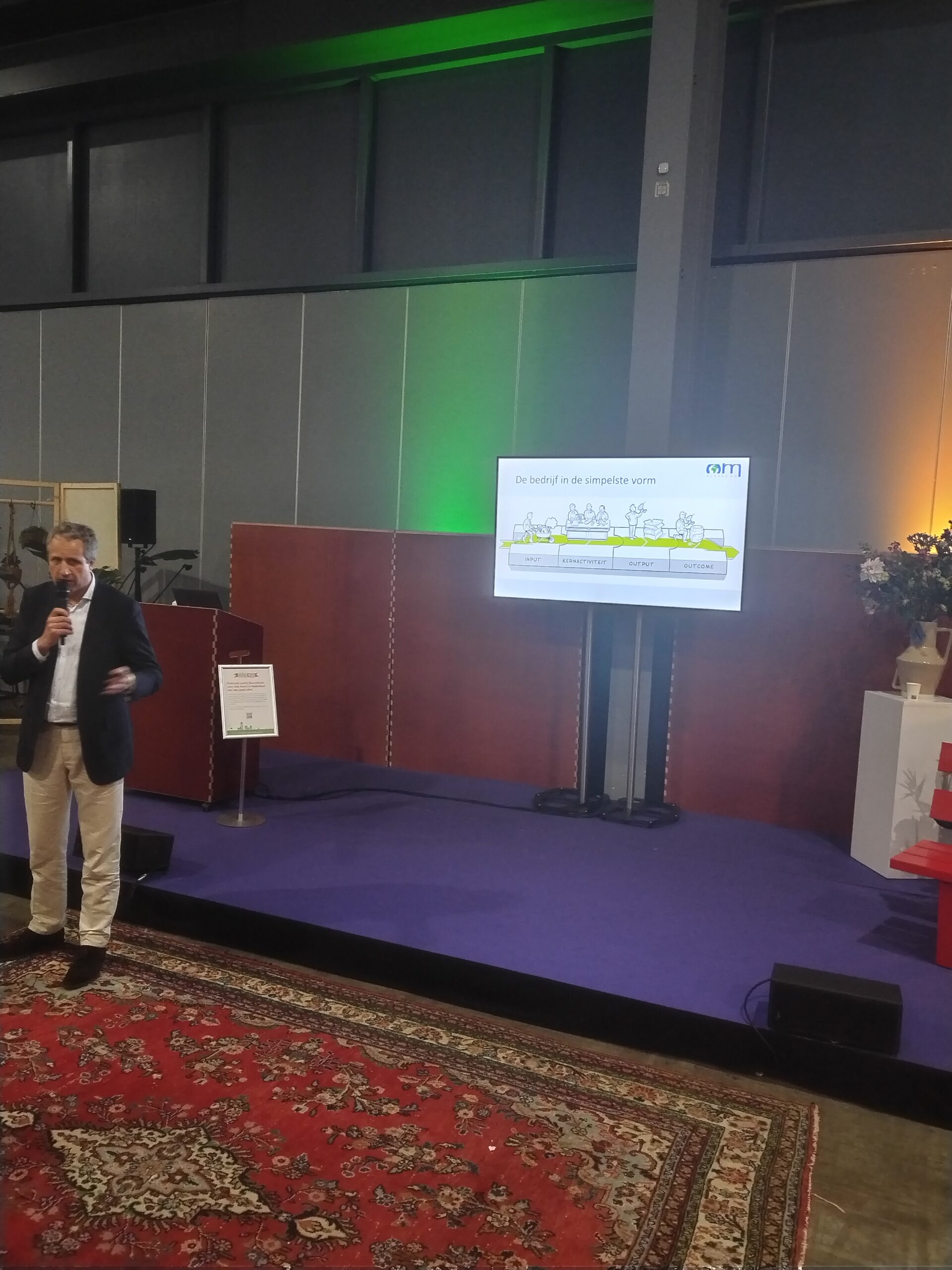

4. Leadership
This year, for the first time, we have a Leaders xCHANGE, which is all about doing business with impact. How can your company be a force for good? How can you ensure that you will stand out as a force for good and commit to the SDG ambitions, for example? The very top of the business community will be present. The economy continues to play a major role in the whole. How can you make doing good financially attractive? You can talk to more than 400 leaders about how to do business with a positive impact. In this way, the most influential group in the Netherlands can transform into the most impactful group our country has ever seen.
5. Movement
We really are a movement. We are all committed to the future of the world. Your impact should be positive and meaningful. It should be fun and cheerful. The so-called positive impact. There are many organizations that stand for this. We set the agenda, but we do so in an optimistic way. We show how much fun it is to do good. That approach to marketing and messaging will help us reach a wider audience. We want to become a ‘household name for impact makers’. This strategy will also bring us more quickly to the social tipping point that prominent sustainability scientist Jan Rotmans talks about so much: once you have persuaded 25% of a group to change, that becomes the norm. That is 4.5 million people in the Netherlands. By attending the Impact Fair, you take the first step in becoming a changemaker.
Interview: Michel de Ruyter – Sustainable Content Agency
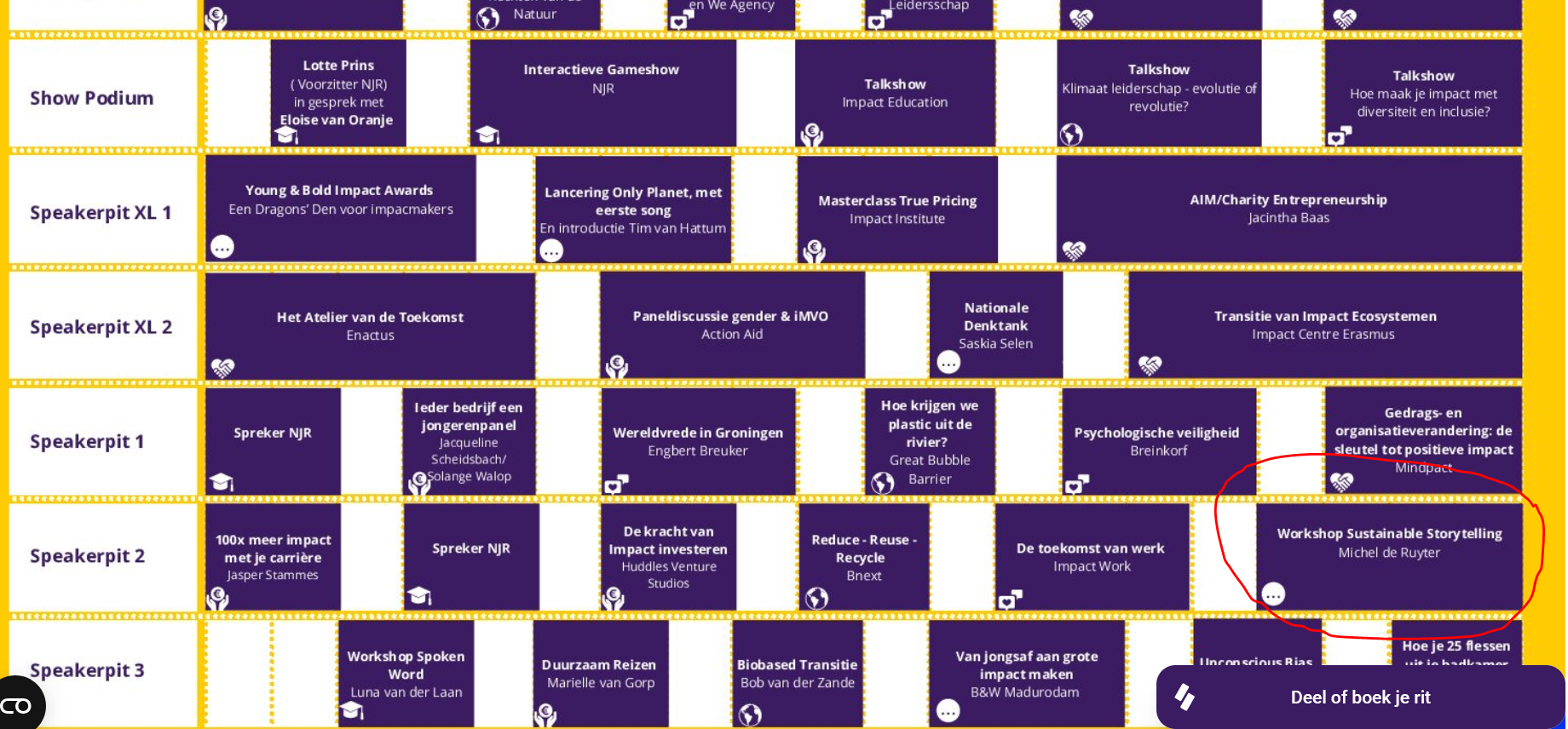
Sustainability Content Agency will be hosting a workshop on Sustainable Storytelling at the Impact Fair on Friday afternoon, April 4, from 2:30 to 3:30 p.m. For the full schedule of all three days, please visit (only in Dutch): https://impactfairnederland.nl/academy/#blokkenschema.